All Categories
Featured
Table of Contents
To get a much better sense of how that works, let's deep dive into how search engines utilize AI. The biggest way search engines utilize AI is to rank web pages, videos, and other material in search engine result. Google (and other online search engine) count on complex AI to identify how content gets ranked.
Together, these elements assist Google's AI identify which pages to serve in response to your search query. While Google gives guidance about what matters to its algorithms, no one outside the business has full visibility into how these algorithms make choices. Much of modern search marketing is focused on learning as much as possible about how this AI works, so business can rank content in search outcomes.
To put it simply, to serve you the best material, online search engine need to comprehend what you're asking in the very first location. That's a book application of natural language processing (NLP), a field of AI devoted to teaching computers to comprehend our composed language. Both Google and Microsoft are using NLP to understand their users.
Machine Learning Impact On 2026 Ranking Systems
Yandex developers discovered that they might take all of their users' previous searches and utilize them to optimize future searches. By producing these customized search results, they've increased click through rate by about 10%. Online search engine Journal also mentions that Google search utilizes some of the exact same practices by optimizing search engine results based on current previous queries, and permits users to perform a search with absolutely nothing more than a photo (which utilizes another field of expert system).
Utilizing its pre-trained language model BERT, the company's search engine now understands complete sentences. That means BERT can comprehend the context of a search, not simply the keywords in it.
Schema Markup and Structured DataOf course, this was damaging to browse engines due to the fact that the pages that were at the top of their outcomes weren't necessarily the highest quality content. Nowadays, companies have upgraded their algorithms and utilize AI to separate the high quality content from the low quality spam. Each of these "algorithm changes" has a potentially enormous impact on how companies rank their content and pages in search.
These AI-powered systems can understand your words, then translate those into search outcomes. AI innovations like image recognition can identify what is being illustrated in an image, then provide pertinent search results around that image.
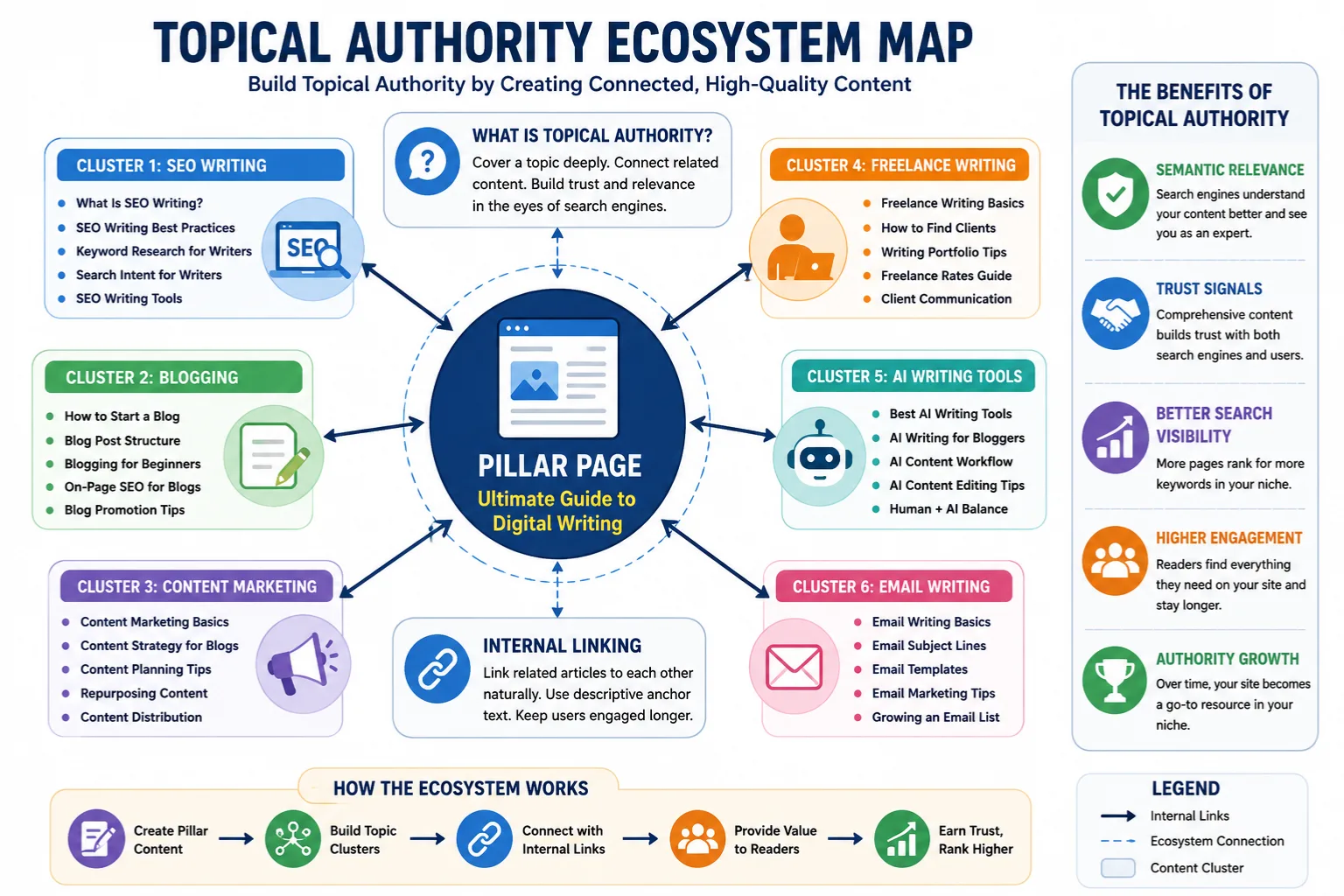
Scaling Corporate Content Through Advanced ML Workflows
No one on the exterior has a complete understanding of how these algorithms work, but typically try to find out components of these algorithms in order to do excellent SEO. Google often provides guidance on how this AI system processes search outcomes. And what's clear is this: The AI that powers Google search is enhanced to offer the best result for every search.
Schema Markup and Structured DataToday, there's no genuine method to "beat the algorithm" outside of creating extremely high quality material created for human beings. RankBrain is a core piece of AI at the heart of Google search. This system assists Google browse comprehend which topics are associated to your search. This enhances search outcome accuracy, since Google is frequently able to determine what you're looking forand avoids confusing your search terms with similar sounding topics that have completely various meanings.
BERT utilizes AI in the kind of natural language processing (NLP), natural language understanding (NLU), and sentiment analysis to process every word in a search query in relation to all the other words in a sentence. This is different from how Google search utilized to work. In the past, Google's AI processed words one-by-one in order.
How to Build Topical Authority With ML Systems
Google shares that a search like "2019 brazil tourist to u.s.a. require a visa" would have been translated in the past as an US tourist wanting a visa to Brazil. In that scenario, Google didn't account for prepositions that alter the context of searches. It would not have taken the word "to" into account, which essentially alters the search intent.
No one on the outside has a complete understanding of how these algorithms work, but frequently attempt to learn aspects of these algorithms in order to do great SEO. Google regularly offers guidance on how this AI system processes search outcomes. And what's clear is this: The AI that powers Google search is optimized to supply the absolute best outcome for every single search.
RankBrain is a core piece of AI at the heart of Google search. This enhances search result accuracy, considering that Google is often able to determine what you're looking forand prevents confusing your search terms with comparable sounding topics that have absolutely different significances.
BERT uses AI in the kind of natural language processing (NLP), natural language understanding (NLU), and sentiment analysis to process every word in a search inquiry in relation to all the other words in a sentence. This is different from how Google search used to work. In the past, Google's AI processed words one-by-one in order.
For example, Google shares that a search like "2019 brazil traveler to usa require a visa" would have been interpreted in the past as a United States traveler wanting a visa to Brazil. Because situation, Google didn't account for prepositions that alter the context of searches. It would not have actually taken the word "to" into account, which essentially alters the search intent.

Latest Posts
Improving Your Business Writing With Advanced AI
Improving Relevance for High-Value Website Keywords
Algorithmic Content Strategy for United States Businesses